

Views: 222 Author: Rebecca Publish Time: 2025-03-01 Origin: Site


Content Menu
● The Basics of Electric Kettle Heat Retention
● Kettle Construction Materials
● Average Heat Retention Times
>> Standard Kettles (Without Keep-Warm Function)
>> Kettles with Keep-Warm Function
● Maximizing Heat Retention in Your Electric Kettle
● Advanced Features in Modern Electric Kettles
● Energy Efficiency Considerations
● Smart Technology in Electric Kettles
● Sustainability Considerations
● FAQ
>> 1. How often should I clean my electric kettle to maintain its heat retention properties?
>> 2. Can leaving water in an electric kettle for extended periods affect its performance?
>> 3. Are there any safety concerns with using the keep-warm function on electric kettles?
>> 4. How do double-wall electric kettles compare to single-wall kettles in terms of heat retention?
>> 5. Can the type of water used affect an electric kettle's heat retention capabilities?
Electric kettles have become an indispensable appliance in many households, offering convenience and efficiency in heating water for various purposes. One common question that arises among users is how long an electric kettle can keep water hot after boiling. In this comprehensive guide, we'll explore the factors that influence heat retention in electric kettles, discuss different types of kettles and their features, and provide tips on maximizing the duration of hot water in your kettle.
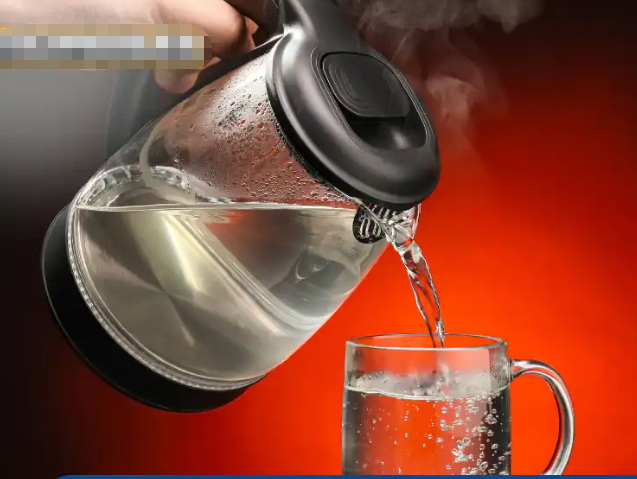
Electric kettles are designed to heat water quickly and efficiently. Once the water reaches boiling point, most kettles automatically shut off. However, the water inside will gradually cool down over time. The rate at which the water cools depends on several factors:
1. Kettle construction materials
2. Insulation quality
3. Ambient temperature
4. Initial water volume
5. Presence of a keep-warm function
Let's delve deeper into each of these factors to understand how they affect heat retention in electric kettles.
The material used to construct an electric kettle plays a significant role in its heat retention capabilities. Common materials include:
- Stainless steel
- Glass
- Plastic
- Double-wall construction
- Ceramic-coated interiors
Among these materials, double-wall stainless steel kettles generally perform best in terms of heat retention. The double-wall construction creates an insulating layer of air between the inner and outer walls, helping to maintain the water temperature for longer periods.
The quality of insulation in an electric kettle significantly impacts its ability to keep water hot. Advanced kettles often feature:
- Vacuum-sealed walls
- Heat-resistant exterior coating
- Thermal barriers
- Air gap insulation
- Specialized gaskets and seals
These insulation features work together to minimize heat loss and maintain water temperature for extended periods.
The temperature of the surrounding environment affects how quickly the water in your kettle cools down. In colder rooms, the water will lose heat more rapidly compared to warmer environments.
The amount of water in the kettle also influences heat retention. A larger volume of water will retain heat for longer than a smaller amount, as there is more thermal mass to cool down.
Many modern electric kettles come equipped with a keep-warm function. This feature allows the kettle to maintain a specific temperature for an extended period, typically ranging from 30 minutes to several hours.
Now that we understand the factors affecting heat retention, let's look at some average times for how long water stays hot in electric kettles:
For a well-insulated electric kettle without a keep-warm function, you can expect the following temperature ranges:
- Initial boiling temperature: 100°C (212°F)
- After 30 minutes: 80-85°C (176-185°F)
- After 1 hour: 60-70°C (140-158°F)
- After 2 hours: 40-50°C (104-122°F)[1]
Electric kettles with a keep-warm function can maintain a selected temperature for much longer periods:
- Can maintain selected temperature for 2-4 hours
- Programmable temperature ranges
- Energy-efficient heating cycles
- Temperature monitoring systems
- Digital display indicators[2]
To ensure your water stays hot for as long as possible, consider the following tips:
1. Fill the kettle to optimal capacity
2. Preheat the kettle before use
3. Keep the lid sealed properly
4. Store in a draft-free location
5. Regular maintenance and cleaning

Many contemporary electric kettles come with advanced features that enhance their functionality and heat retention capabilities:
- Temperature control settings
- Digital temperature display
- Multiple keep-warm modes
- Energy efficiency ratings
- Safety features such as automatic shut-off and boil-dry protection
While keep-warm functions are convenient, they do consume additional energy. Here are some factors to consider regarding energy efficiency:
- Initial heating phase
- Keep-warm mode operation
- Standby power usage
- Temperature maintenance cycles
- Energy-saving features
To minimize energy consumption, it's best to only heat the amount of water you need and avoid using the keep-warm function for extended periods unnecessarily[3].
The latest electric kettles incorporate smart technology, offering features such as:
- WiFi connectivity
- Mobile app control
- Temperature scheduling
- Usage statistics
- Energy monitoring
These smart features allow users to have greater control over their kettle's operation and monitor energy usage more effectively.
When choosing an electric kettle, consider its sustainability aspects:
- Energy efficiency ratings
- Material recyclability
- Manufacturing processes
- Carbon footprint
- Eco-friendly features
Opting for a kettle with good insulation and energy-efficient features can help reduce your environmental impact while still enjoying hot water when you need it.
Electric kettles are designed to heat water quickly and efficiently, but their ability to keep water hot varies depending on several factors. Standard kettles without a keep-warm function can typically maintain hot water temperatures for about 60-70 minutes, while those with keep-warm features can extend this time to several hours.
The construction material, insulation quality, ambient temperature, and initial water volume all play crucial roles in determining how long an electric kettle can keep water hot. By choosing a well-insulated kettle with advanced features and following best practices for use and maintenance, you can maximize the duration of hot water availability from your electric kettle.
As technology continues to advance, we can expect to see even more innovative features in electric kettles that will further improve their heat retention capabilities and energy efficiency. Whether you're a tea enthusiast, coffee lover, or simply enjoy having hot water on demand, understanding how your electric kettle works can help you make the most of this essential kitchen appliance.

Regular cleaning is essential for maintaining your electric kettle's efficiency and heat retention capabilities. It's recommended to clean your kettle every three months or more frequently if you live in an area with hard water. Use a mixture of equal parts water and white vinegar or lemon juice to remove limescale buildup, which can affect heating efficiency and heat retention.
Yes, leaving water in an electric kettle for long periods can lead to increased mineral deposits and potential bacterial growth. It's best to empty the kettle after each use and refill it with fresh water when needed. This practice not only maintains the kettle's performance but also ensures you're always using fresh water for your hot beverages.
While keep-warm functions are generally safe, it's important to follow the manufacturer's guidelines. Most modern kettles have built-in safety features like automatic shut-off to prevent overheating. However, leaving the keep-warm function on for extended periods can increase energy consumption and potentially shorten the lifespan of the kettle's heating element.
Double-wall electric kettles typically offer superior heat retention compared to single-wall models. The air gap between the inner and outer walls acts as an insulator, helping to maintain water temperature for longer periods. This design also makes the exterior of the kettle cooler to touch, enhancing safety.
While the type of water doesn't directly affect heat retention, it can impact the kettle's overall efficiency. Hard water can lead to faster mineral buildup on the heating element and interior walls, potentially reducing heating efficiency and heat retention over time. Using filtered or softened water can help minimize this issue and maintain the kettle's performance.
[1] https://www.kitchenaid.com/pinch-of-help/countertop-appliances/how-to-use-a-kettle.html
[2] https://www.yongkeng.com/how-long-does-water-stay-hot-in-electric-kettle.html
[3] https://moorgen.hk/blogs/moorgenzine/smart-living-5-energy-saving-tips-for-electric-kettles
[4] https://www.istockphoto.com/photos/electric-kettle
[5] https://www.youtube.com/watch?v=7mYAwDpOchc
[6] https://www.youtube.com/watch?v=bP1WFR5ETwM
[7] https://shouldit.com/kettles/tests/electric/keep-warm/
[8] https://unsplash.com/s/photos/kettle
[9] https://cornercoffeestore.com/how-does-an-electric-kettle-work/
[10] https://www.sencor.com/electric-glass-kettle/swk-1890ss
[11] https://www.reddit.com/r/Cooking/comments/j47p0v/electric_kettle_to_keep_water_at_a_constant/
[12] https://www.reddit.com/r/Coffee/comments/1j19q6/psa_water_temp_in_your_kettle_drops_off_much/
[13] https://www.home-barista.com/brewing/how-to-manage-temperature-without-expensive-kettle-t89128.html
[14] https://www.foodandwine.com/lifestyle/kitchen/best-electric-kettles
[15] https://www.epicurious.com/expert-advice/best-electric-kettles-for-tea-article
[16] https://www.reddit.com/r/pourover/comments/1gt6r0j/do_you_let_your_kettle_maintain_water_temp_during/
[17] https://www.houzz.com/discussions/4986601/electric-kettle-can-t-keep-water-warm-for-long-time
[18] https://www.yongkeng.com/how-does-an-electric-kettle-heat-so-fast.html
[19] https://home.mi.com/views/faqQuestion.html?locale=en&model=yunmi.kettle.v7
[20] https://www.ingenia.org.uk/articles/how-do-kettles-know-when-to-switch-off/
[21] https://shouldit.com/kettles/reviews/secura/secura-electric-kettle-swk-1701da/
[22] https://www.yongkeng.com/how-do-modern-electric-kettles-work.html
[23] https://www.freepik.com/free-photos-vectors/electric-kettle
[24] https://www.youtube.com/watch?v=dl_F-wn584Q
[25] https://www.explainthatstuff.com/how-electric-kettles-work.html
[26] https://stock.adobe.com/search?k=electric+kettle
[27] https://www.youtube.com/watch?v=Pbel051H7-s
[28] https://www.shutterstock.com/search/electric-kettle
[29] https://www.pinterest.com/pin/how-does-an-electric-kettle-work--352477108327150923/
[30] https://www.shutterstock.com/search/kettle
[31] https://prima-coffee.com/learn/video/overviews/video-overview-hario-v60-buono-electric-kettle-08-liter/32393
[32] https://richmondair.us/how-fast-does-mainstay-electric-kettle-heat-water/
[33] https://www.tiger-corporation.hk/en/trivia-details/how-to-avoid-the-electic-water-boiler-and-warmer-from-re-boiling-for-too-many-times
[34] https://cooking.stackexchange.com/questions/49073/what-is-water-temperature-after-electric-kettle-switches-off
[35] https://www.seriouseats.com/equipment-the-best-electric-kettles
[36] https://www.istockphoto.com/photos/kettle
[37] https://www.youtube.com/watch?v=_yMMTVVJI4c
[38] https://www.youtube.com/watch?v=lzDq1cyGf-E


