

Views: 222 Author: Rebecca Publish Time: 2025-03-19 Origin: Site


Content Menu
● Introduction to Electric Kettles
>> Benefits of Using an Electric Kettle
● Step-by-Step Guide to Cooking Ramen in an Electric Kettle
>> Ingredients and Tools Needed
>> Instructions
● Enhancing Your Ramen Experience
>> Cultural Significance of Ramen
● Additional Tips for Using an Electric Kettle
● FAQ
>> 1. Can I Cook Ramen Directly in the Electric Kettle?
>> 2. How Long Does It Take to Cook Ramen in an Electric Kettle?
>> 3. What Are Some Popular Types of Ramen?
>> 4. How Can I Enhance the Flavor of My Ramen?
>> 5. Can I Use an Electric Kettle to Cook Other Types of Noodles?
Cooking ramen in an electric kettle is a convenient and efficient way to enjoy this popular dish, especially for those without access to a stove. This method is ideal for students living in dorms or anyone looking for a quick meal solution. In this article, we will guide you through the process of cooking ramen using an electric kettle, discuss the benefits of this method, and provide tips for enhancing your ramen experience.

Electric kettles are appliances designed to boil water quickly and efficiently. They are commonly used for making tea, coffee, and instant soups, but they can also be used to cook ramen noodles. The speed and energy efficiency of electric kettles make them a great tool for cooking in environments where stoves are not available.
- Speed: Electric kettles boil water much faster than traditional stovetops, which is perfect for quick meals.
- Energy Efficiency: They consume less energy compared to using a stove, which is beneficial for both the environment and your utility bills.
- Convenience: No need to monitor the stove; the kettle automatically turns off once the water reaches a boil.
- Instant Ramen Noodles
- Water
- Flavoring Packet (usually included with instant ramen)
- Optional Toppings (e.g., boiled eggs, green onions, vegetables)
- Electric Kettle
- Heat-Resistant Bowl
- Fork or Chopsticks
- Ladle
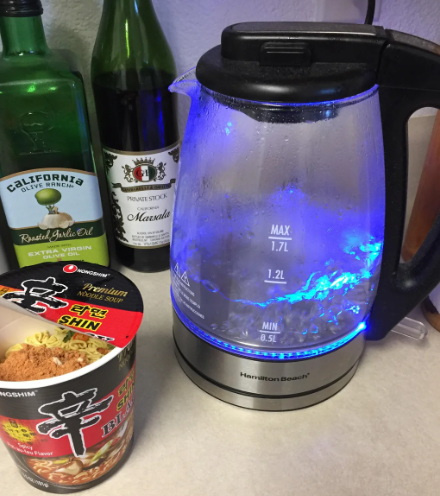
1. Fill the Electric Kettle: Ensure not to exceed the maximum fill line to prevent boiling over.
2. Boil the Water: Turn on the kettle and wait for the water to reach a rolling boil.
- Time: Approximately 2-5 minutes depending on the kettle model and voltage.
3. Prepare the Noodles: Place the ramen noodles in a heat-resistant bowl. If desired, break the noodles into smaller pieces for easier cooking.
4. Cook the Noodles: Carefully pour the boiling water over the noodles in the bowl. Cover the bowl with a lid or plate to retain heat.
- Time: Let the noodles soak for about 3-5 minutes, or until they are tender.
5. Add Flavor and Toppings: Once the noodles are cooked, add the flavoring packet and stir well. Consider adding soy sauce, sesame oil, or chili flakes for extra flavor. You can also add toppings like soft-boiled eggs, green onions, or vegetables.
- Shoyu Ramen: Soy sauce-based broth, often with a clear, brown color.
- Miso Ramen: Rich and hearty, made with miso paste for a creamy texture.
- Shio Ramen: Salt-based broth, lighter and often clearer than other types.
- Tonkotsu Ramen: Creamy, pork bone broth that is rich and flavorful.
- Soft-Boiled Eggs: Cook eggs separately and slice them in half.
- Vegetables: Add steamed or sautéed vegetables like spinach, bok choy, or mushrooms.
- Meat: Include slices of cooked chicken, pork, or tofu for protein.
- Avoid Overcooking: If your noodles become mushy, try adding a splash of cold water to stop the cooking process.
- Enhance Flavor: Consider adding more seasoning or a splash of soy sauce. Fresh herbs like cilantro or basil can also enhance the taste.
For those looking to elevate their ramen game, here are some advanced recipes you can try:
1. Spicy Ramen: Add chili flakes or sriracha to give your ramen a spicy kick.
2. Vegetarian Ramen: Use vegetable broth and add a variety of sautéed vegetables for a nutritious option.
3. Korean-Style Ramen: Add kimchi for a spicy, sour flavor and some crispy garlic for texture.
Ramen is more than just a meal; it's a cultural phenomenon in Japan and many other parts of the world. It symbolizes comfort food and community, often enjoyed in small ramen shops where people gather to share stories and enjoy a warm bowl of noodles.
While instant ramen can be high in sodium and preservatives, there are healthier alternatives available. Look for low-sodium options or consider making your own broth from scratch using vegetables and lean meats.
- Cleaning: Regularly clean your electric kettle to prevent mineral buildup and ensure optimal performance.
- Safety: Always handle hot water with care and keep the kettle out of reach of children.
Cooking ramen in an electric kettle is a simple and efficient way to enjoy this popular dish. With just a few ingredients and some creativity, you can whip up a delicious bowl of ramen in minutes. Whether you're a busy professional, a student, or simply someone who loves good food, using an electric kettle can elevate your ramen experience.
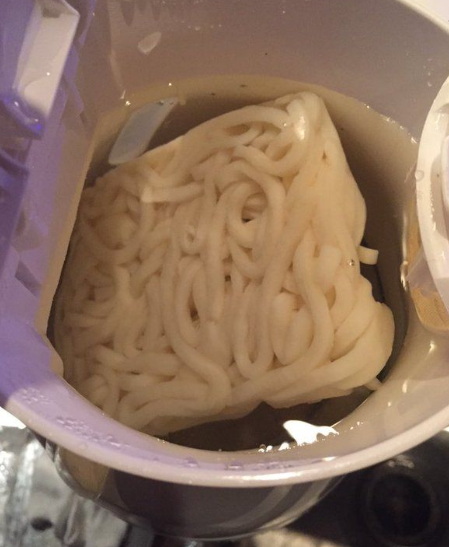
No, it is not recommended to cook ramen directly in the kettle. Instead, boil water in the kettle and pour it over the noodles in a separate bowl to avoid any potential mess or damage to the kettle.
Cooking ramen using an electric kettle typically takes about 10 minutes, including boiling water and soaking the noodles.
Popular types of ramen include Shoyu, Miso, Shio, and Tonkotsu. Each has a unique flavor profile and ingredients.
You can enhance the flavor by adding soy sauce, sesame oil, or chili flakes. Fresh herbs like cilantro or basil can also add depth to the dish.
Yes, you can use an electric kettle to cook other quick-cooking noodles like instant noodles or some types of pasta. However, traditional pasta may require longer cooking times.


