

Views: 222 Author: Rebecca Publish Time: 2025-04-04 Origin: Site


Content Menu
● Why Use an Electric Kettle to Boil Eggs?
● Step-by-Step Guide: How to Soft Boil Eggs with an Electric Kettle
>> Step 1: Prepare Your Kettle
>> Step 4: Add Salt or Vinegar (Optional)
● Additional Tips for Perfect Soft-Boiled Eggs
● Troubleshooting Common Issues
>> Problem: The Egg Cracked While Boiling
>> Problem: The Yolk Isn't Runny Enough
>> Problem: The Egg Is Difficult to Peel
>> 1. How long should I leave eggs in an electric kettle for soft boiling?
>> 2. Can I boil multiple eggs at once?
>> 3. How do I prevent my eggs from cracking during boiling?
>> 4. Is it safe to boil eggs in an electric kettle?
>> 5. How do I clean my electric kettle after boiling eggs?
Soft-boiled eggs are a breakfast staple loved for their creamy yolks and firm whites. They're versatile, nutritious, and easy to prepare. But what if you don't have access to a stovetop? Or maybe you're in a dorm room, an office, or traveling with limited kitchen equipment? The good news is that you can soft boil eggs using an electric kettle! This method is efficient, simple, and surprisingly effective.

Using an electric kettle to boil eggs might sound unconventional, but it comes with several advantages:
- Convenience: Perfect for situations where a stove isn't available, such as in dorms, offices, or hotel rooms.
- Speed: Electric kettles heat water faster than traditional stovetops.
- Energy Efficiency: Kettles use less energy compared to boiling water in a pot on the stove.
- Precision Cooking: The automatic shut-off feature ensures consistent results without overcooking.
- Minimal Cleanup: With fewer utensils involved, cleaning up is quick and easy.
Whether you're looking for a quick breakfast fix or experimenting with new cooking methods, the electric kettle offers a creative solution.
Before we dive into the step-by-step process, let's gather the essentials:
- Electric Kettle: Choose one without exposed heating elements for safety and ease of cleaning.
- Fresh Eggs: Room-temperature eggs are ideal as they reduce the risk of cracking during cooking.
- Water: Enough to fully submerge the eggs in the kettle.
- Salt or Vinegar (Optional): Adding a tablespoon of salt or vinegar can help prevent cracking and make peeling easier.
- Ice Water Bath: A bowl filled with ice water to cool the eggs immediately after boiling.
Start by ensuring your electric kettle is clean and free of any residue. If your kettle has exposed heating elements, it's best not to use it for boiling eggs as the shells could come into direct contact with the elements and cause damage.
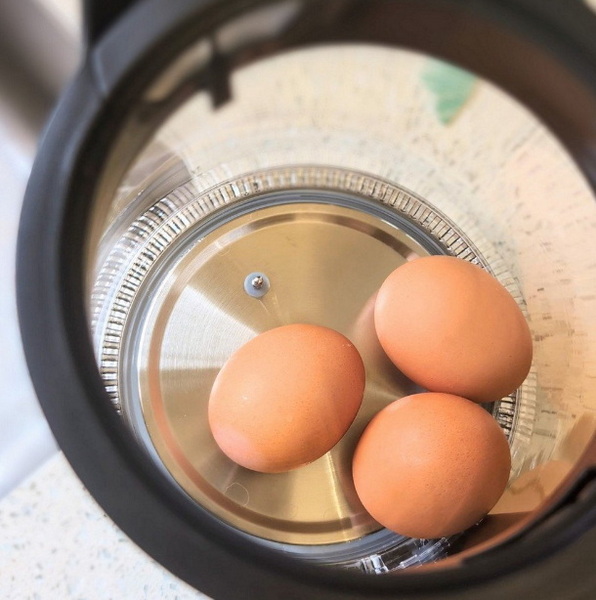
Carefully place 2–4 eggs at the bottom of the kettle. Avoid overcrowding them to ensure even cooking. If your kettle has a wide base, you may be able to fit more eggs comfortably.
Fill the kettle with cold water until the eggs are fully submerged. Ensure there's at least 1 inch (2–3 cm) of water above the eggs. This ensures even heat distribution during boiling.
Adding a tablespoon of salt or vinegar can help prevent cracks in the eggshells and make peeling easier later. While this step is optional, it's highly recommended for best results.
Turn on your electric kettle and let it bring the water to a boil. Most kettles will automatically shut off once they reach boiling point. This is where timing becomes crucial.
Once the kettle shuts off, set a timer immediately:
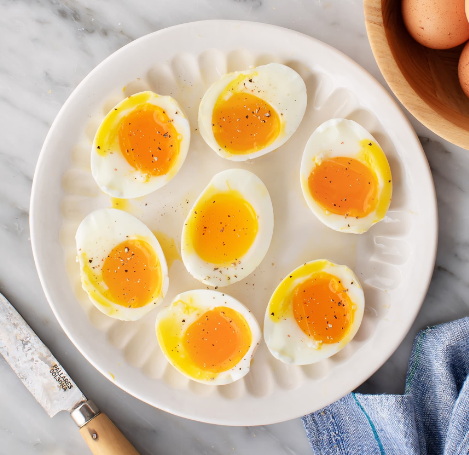
- For soft-boiled eggs with runny yolks: Let them sit in the hot water for 5–6 minutes.
- For slightly firmer yolks: Increase the time to 7–8 minutes.
Timing may vary slightly based on your altitude and kettle's efficiency. Experiment with different timings to find your perfect consistency.
When the timer goes off, carefully pour out the hot water from the kettle (use caution as it will be very hot). Immediately transfer the eggs into a bowl of ice water. Let them sit for 3–5 minutes. This stops the cooking process and makes peeling easier.
Gently tap each egg on a hard surface to crack its shell. Peel under running water if needed for added ease. Serve immediately while warm, seasoned with salt, pepper, or your favorite condiments.
1. Use Room-Temperature Eggs: Cold eggs straight from the fridge are more likely to crack when placed in hot water due to thermal shock. Let them sit at room temperature for about 10–15 minutes before boiling.
2. Monitor Water Levels: Ensure there's enough water in your kettle to fully submerge the eggs but not so much that it overflows when boiling.
3. Avoid Overcrowding: Boiling too many eggs at once can lead to uneven cooking. Stick to small batches for best results.
4. Experiment with Timing: Different kettles heat differently, so don't be afraid to adjust cooking times based on your preferences.
5. Clean Your Kettle Thoroughly: After boiling eggs, rinse your kettle with warm water and mild dish soap to remove any residue or lingering odors.
Soft-boiled eggs are delicious on their own but can also be incorporated into various dishes:
1. Eggs on Toast: Serve soft-boiled eggs atop buttered toast for a simple yet satisfying breakfast.
2. Ramen Topping: Slice soft-boiled eggs in half and add them as a topping for ramen noodles.
3. Salads: Use soft-boiled eggs as a protein-rich addition to salads.
4. Dipping Snack: Pair soft-boiled eggs with toast soldiers (thin strips of bread) for dipping into their runny yolks.
5. Breakfast Bowls: Add soft-boiled eggs to grain bowls alongside avocado, spinach, and other toppings.
Solution: Ensure you're using room-temperature eggs and add salt or vinegar to reduce cracking risks.
Solution: Reduce your cooking time by 30 seconds during your next attempt.
Solution: Use older eggs rather than fresh ones; they tend to peel more easily after boiling.
Soft boiling eggs using an electric kettle is an innovative yet simple way to enjoy this classic dish without needing traditional kitchen equipment. Whether you're short on time or resources, this method delivers perfect results every time with minimal effort. By following our step-by-step guide and tips, you'll master this technique in no time!
So next time you're craving soft-boiled eggs but don't have access to a stove, grab your electric kettle and give this method a try—you might just be surprised by how easy and effective it is!
Leave the eggs in hot water for about 5–6 minutes after the kettle shuts off automatically if you want runny yolks. For slightly firmer yolks, extend this time by 1–2 minutes.
Yes! However, avoid overcrowding by limiting each batch to 2–4 eggs depending on your kettle's size. Overcrowding can lead to uneven cooking.
To prevent cracking:
- Use room-temperature eggs.
- Place them gently into the kettle.
- Add a pinch of salt or vinegar to stabilize the shells during cooking.
Yes! It's perfectly safe as long as you follow precautions:
- Use kettles without exposed heating elements.
- Avoid overfilling with water.
- Clean thoroughly after use.
To clean your electric kettle:
1. Rinse it out immediately after use.
2. Use warm water and mild dish soap if necessary.
3. For stubborn residue or odors, fill it halfway with equal parts vinegar and water, bring it to a boil, then rinse thoroughly.


