

Views: 222 Author: Rebecca Publish Time: 2025-04-26 Origin: Site


Content Menu
● Why Health Matters in Electric Tea Kettles
● The Science of Safe Kettle Materials
>> Ceramic and Enamel-Coated Kettles
● Key Features of a Healthy Electric Kettle
● Top Picks: The Healthiest Electric Tea Kettles in 2025
>> 1. Cuisinart CPK-17P1 PerfecTemp Cordless Electric Kettle
>> 2. Fellow Non-Toxic Electric Tea Kettle
>> 3. Vektra Non-Toxic Eco Electric Tea Kettle
>> 4. Saki Luna 1.75 L Electric Tea Kettle
>> 5. Oxo Tea Non-Toxic Electric Kettle
>> 6. COSORI Borosilicate Glass Electric Kettle
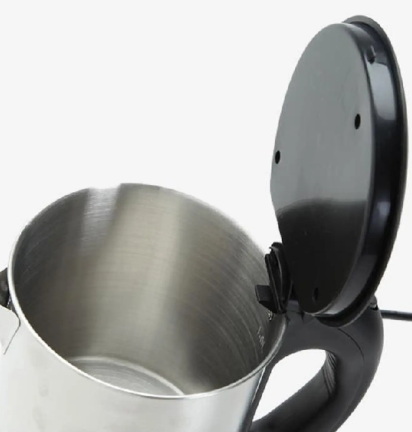
● Comparing Material Choices: Stainless Steel vs. Glass vs. Ceramic
● How to Choose the Best Electric Kettle for Your Needs
● Tips for Maintaining a Healthy Kettle
● FAQ: Healthiest Electric Tea Kettles
>> 1. What materials should I avoid in an electric kettle?
>> 2. Are glass electric kettles safe?
>> 3. Is stainless steel better than glass for electric kettles?
>> 4. How important is temperature control in a healthy kettle?
>> 5. Do all plastic-free kettles have no plastic at all?
Electric tea kettles have become an indispensable appliance in modern kitchens, offering convenience, speed, and precision for boiling water. But as health-conscious consumers grow increasingly aware of the materials and technologies used in kitchenware, a crucial question arises: What is the healthiest electric tea kettle? This comprehensive guide explores the healthiest electric kettles on the market, the science behind safe materials, essential features to look for, and recommendations for every lifestyle.

The water you boil in your kettle is the foundation for tea, coffee, and many other beverages. If your kettle leaches chemicals or metals into the water, it can undermine the health benefits of your drinks. Modern electric kettles offer not just convenience but also the potential for safer, cleaner water-provided you choose wisely.
Key health considerations include:
- Chemical leaching: Some plastics and low-quality metals can release harmful substances when heated[3][5].
- Taste and odor: Poor materials can impart unwanted flavors or smells to your water.
- Long-term exposure: Chronic ingestion of trace chemicals or metals, even in small amounts, can accumulate over time.
- Why it's healthy: High-quality stainless steel (18/8 or 304) is durable, rust-resistant, and does not leach harmful substances into boiling water[5].
- What to look for: Ensure the interior, spout, and lid are all stainless steel, with no plastic parts in contact with water[13].
- Why it's healthy: Borosilicate glass is nonporous, resistant to thermal shock, and does not react with water at high temperatures[9]. It's also infinitely recyclable and does not degrade over time.
- What to look for: Choose kettles with stainless steel or food-grade silicone for the spout and filter, and avoid models with plastic parts touching the water[9][13].
- Why they're healthy: Ceramic kettles with lead-free glazes and enamel-coated stainless steel are non-reactive and do not introduce harmful elements into water[5][14].
- What to look for: Confirm the glaze or enamel is certified lead-free and free from other toxic materials.
- Why to avoid: Low-quality plastics can leach BPA and other chemicals, especially at high temperatures[3]. Aluminum, unless properly coated, may also pose health risks due to potential leaching[3].
When shopping for the healthiest electric tea kettle, consider these essential features:
- Material Safety: Prioritize stainless steel, borosilicate glass, or certified ceramic interiors[5][9].
- No Plastic Contact: Select models where no plastic touches the water, or ensure any plastic is BPA-free and food-grade[3][13].
- Temperature Control: Precise temperature settings preserve tea antioxidants and flavors, and prevent overheating[1][2].
- Auto Shut-Off and Boil-Dry Protection: These safety features reduce fire hazards and extend the kettle's lifespan[2][8].
- Ease of Cleaning: Wide openings and smooth interiors prevent scale buildup and make cleaning easier[14].
- Energy Efficiency: Insulated designs and rapid boiling reduce electricity use[2][4].
- Warranty and Durability: A generous warranty and robust build quality are indicators of a long-lasting, safe appliance[1].
Based on expert reviews, material safety, and user feedback, here are the leading contenders for the healthiest electric tea kettles this year:
- Material: Stainless steel interior, no plastic contact with water
- Capacity: 1.7 liters
- Features: Six temperature presets, keep-warm function, three-year warranty
- Why it's healthy: Consistently top-rated for safety, speed, and precise temperature control[1].
- Material: Stainless steel with silicone or wooden handle
- Capacity: 1.7 liters
- Features: Precise temperature controls, gooseneck spout for pour-over coffee
- Why it's healthy: No plastic in contact with water, minimalist design, ideal for tea and coffee lovers[6][7].
- Material: Stainless steel, vacuum insulated
- Capacity: Multiple sizes
- Features: Keeps water hot for up to 4 hours, anti-spill lid
- Why it's healthy: Thermal insulation reduces reheating, saving energy and preserving water purity[6][7].
- Material: 100% stainless steel interior, no plastic
- Capacity: 1.75 liters
- Features: Seven temperature presets, large capacity
- Why it's healthy: Truly plastic-free construction, versatile temperature settings[13].
- Material: Borosilicate glass, BPA-free silicone base
- Capacity: 1.7 liters
- Features: Adjustable temperature, auto shut-off
- Why it's healthy: Glass ensures no chemical leaching, easy to clean, and safe for everyday use[6][7].
- Material: Borosilicate glass with stainless steel filter
- Capacity: 1.7 liters
- Features: Rapid boiling, safety features, easy cleaning
- Why it's healthy: Non-toxic materials, large lid opening for cleaning, value for money[14].
| Feature | Stainless Steel | Borosilicate Glass | Ceramic/Enamel-Coated |
|---|---|---|---|
| Safety | Excellent if high-grade | Excellent, non-reactive | Excellent if lead-free glaze |
| Durability | High, resists dents/scratches | Moderate, can chip or crack | Moderate, can chip/crack |
| Cleaning Ease | Easy, but can stain | Easy, wide openings available | Easy, but stains possible |
| Taste | Neutral | Neutral, pure water taste | Neutral |
| Aesthetics | Modern, professional look | Modern, visually appealing | Classic, colorful |
| Environmental | Recyclable, long lifespan | Infinitely recyclable | Recyclable if unglazed |
Conclusion: Stainless steel and borosilicate glass are the healthiest and safest choices for electric kettles, with ceramic/enamel-coated models also being a good option if certified lead-free[5][9][14].
1. Assess Your Priorities
- Health and Safety: Choose non-toxic materials, avoid plastic interiors.
- Capacity: Select a size that matches your household's needs.
- Temperature Control: If you brew specialty teas or coffee, variable temperature is essential.
- Speed and Efficiency: Look for rapid boiling and insulation if you value energy savings.
- Aesthetics: Pick a design that fits your kitchen style.
2. Check for Certifications and Warranties
- Look for BPA-free, lead-free, and food-grade certifications.
- A longer warranty often reflects better build quality and manufacturer confidence[1].
3. Read User Reviews
- Real-world feedback can reveal hidden pros and cons, especially regarding durability and ease of cleaning.
- Clean regularly: Remove limescale with vinegar or citric acid to prevent buildup.
- Avoid overfilling: Prevents spills and extends the kettle's lifespan.
- Descale as needed: Especially important in hard water areas.
- Inspect for damage: Replace kettles with chipped glass, cracked ceramic, or corroded metal.
- Store dry: Leave the lid open after use to prevent mold and odors.
The healthiest electric tea kettle is one that combines non-toxic materials, thoughtful design, and essential safety features. Stainless steel and borosilicate glass models lead the pack, offering peace of mind and pure-tasting water. Top picks like the Cuisinart CPK-17P1, Fellow, Vektra, Saki Luna, and COSORI kettles stand out for their commitment to health, safety, and user-friendly features.
By prioritizing material safety, temperature precision, and robust construction, you can enjoy the ritual of tea or coffee with confidence-knowing your kettle supports your well-being.

Avoid kettles with plastic interiors or those made from low-quality metals like aluminum, as they may leach chemicals or metals into your water, especially when heated to boiling[3][5].
Yes, borosilicate glass kettles are among the safest options. They are non-reactive, do not leach chemicals, and are easy to clean. Just ensure the handle and lid do not contain plastic that touches the water[9][13].
Both are excellent choices. Stainless steel (especially 18/8 or 304 grade) is highly durable and safe, while borosilicate glass offers visual appeal and pure taste. The best option depends on your preference for aesthetics and care routine[5][9].
Temperature control is essential for brewing different types of tea and coffee at their ideal temperatures, preserving antioxidants and flavor. It also prevents overheating and unnecessary energy use[1][2].
Not always. Many kettles labeled “plastic-free” may still have plastic handles or bases, but the healthiest models ensure no plastic touches the water. Always check product details for full transparency[13].
[1] https://www.nytimes.com/wirecutter/reviews/the-best-home-kettle/
[2] https://www.yongkeng.com/is-it-healthy-to-use-electric-kettle.html
[3] https://www.yongkeng.com/how-do-different-materials-affect-the-safety-of-electric-kettles.html
[4] https://www.goodhousekeeping.com/uk/product-reviews/electricals/g26060049/best-kettles/
[5] https://www.greenwashingindex.com/safest-non-toxic-tea-kettles-plastic-free-stainless-steel/
[6] https://www.youtube.com/watch?v=iTL91iM3dpM
[7] https://www.youtube.com/watch?v=JugN2KaT_2U
[8] https://www.crompton.co.in/blogs/kitchen-appliances-guide/is-an-electric-kettle-good-for-health-and-safe-to-use
[9] https://www.healthierhomes.com/post/safest-material-for-tea-kettles
[10] https://www.youtube.com/watch?v=_WWqyCa7aK0
[11] https://www.youtube.com/watch?v=-8RcBAaqqN0
[12] https://www.youtube.com/watch?v=pDR4-xbTofc
[13] https://wellnesswithkaelyn.com/blog/best-non-toxic-electric-tea-kettles-plasticfree
[14] https://theroundup.org/best-non-toxic-tea-kettles/
[15] https://www.youtube.com/watch?v=jMFVOhWtWs0
[16] https://www.seriouseats.com/equipment-the-best-electric-kettles
[17] https://www.epicurious.com/expert-advice/best-electric-kettles-for-tea-article
[18] https://www.crompton.co.in/blogs/kitchen-appliances-guide/is-an-electric-kettle-good-for-health-and-safe-to-use
[19] https://drwater.store/blogs/news/electric-kettle-boil-water-safety-procedures
[20] https://www.allrecipes.com/best-electric-kettles-8771420
[21] https://www.youtube.com/watch?v=iTL91iM3dpM
[22] https://www.alibaba.com/showroom/healthy-electric-kettle.html
[23] https://blog.waltonbd.com/benefits-of-electric-kettle/
[24] https://www.reddit.com/r/tea/comments/101kjsj/safety_of_glass_electric_kettles_vs_stainless/
[25] https://www.telegraph.co.uk/recommended/home/kitchen/best-kettles/
[26] https://www.sustainablejungle.com/eco-kettles/
[27] https://www.reddit.com/r/BuyItForLife/comments/1h8wrmy/nontoxic_tea_kettle/
[28] https://www.youtube.com/watch?v=8em-0RfPtsk
[29] https://www.youtube.com/watch?v=QoyEqBgWJIs
[30] https://www.healthierhomes.com/post/safest-material-for-tea-kettles
[31] https://www.tiktok.com/@drandreapoy/video/7186836423184616750
[32] https://www.youtube.com/watch?v=4Yq4ZklaSHI
[33] https://www.youtube.com/watch?v=_lpWZxFaDaU
[34] https://www.youtube.com/watch?v=erC6hSsSqr0
[35] https://www.youtube.com/watch?v=7rawVtE7OGM
[36] https://www.youtube.com/watch?v=gTJijb9hVoo
[37] https://www.tiktok.com/discover/safe-non-toxic-electric-tea-kettle
[38] https://www.tiktok.com/discover/what-are-the-health-tea-kettle-to-use
[39] https://www.goodhousekeeping.com/appliances/g2236/best-electric-tea-kettles/


