

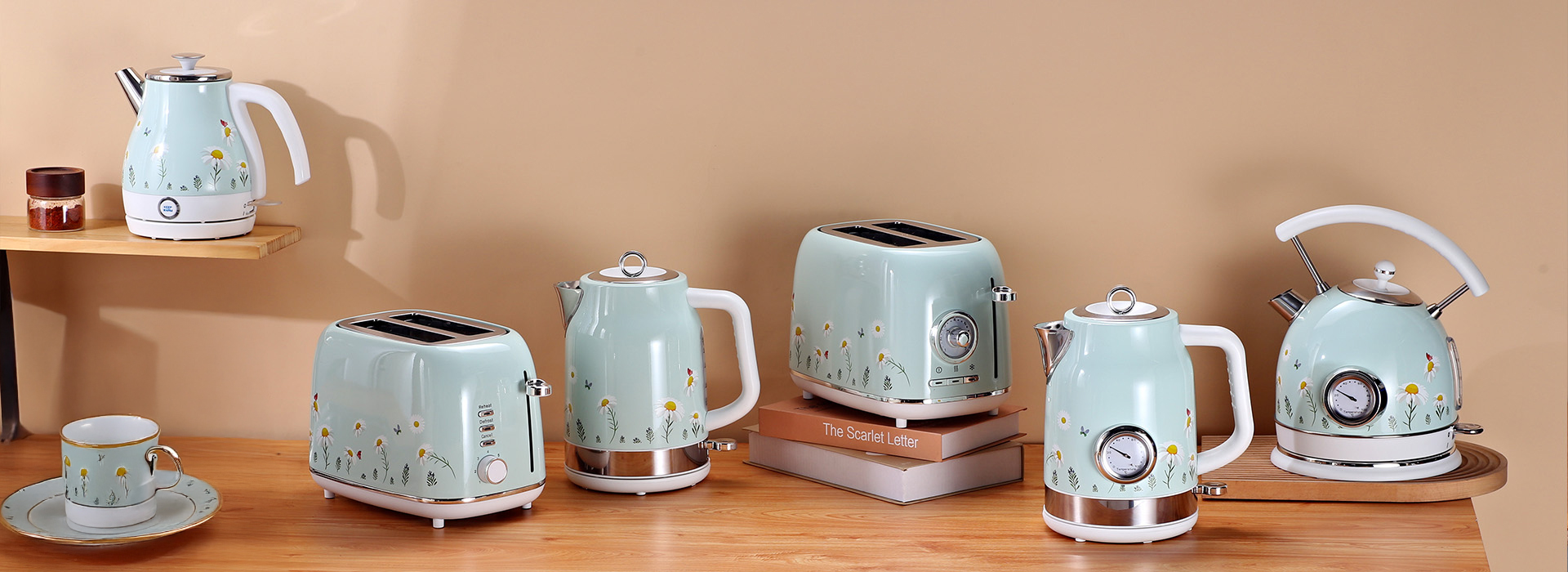
Views: 222 Author: Rebecca Publish Time: 2025-04-30 Origin: Site


Content Menu
● Understanding the Electric Tea Kettle
>> How to Use an Electric Tea Kettle
● 10 Practical Uses of an Electric Tea Kettle
>> 4. Sterilizing Utensils and Baby Bottles
>> 5. Aromatherapy and Steam Therapy
>> 6. Hot Compress for Aches and Pains
>> 7. Heating Milk or Other Liquids
● Benefits of Using an Electric Tea Kettle
● Maintenance Tips for Your Electric Tea Kettle
● Safety Tips When Using an Electric Kettle
● FAQ
>> 1. How long does it take for an electric kettle to boil water?
>> 2. Can I use an electric kettle to cook food?
>> 3. How do I clean and descale my electric kettle?
>> 4. Is it safe to leave water in the kettle after boiling?
>> 5. What temperature should I use for brewing different types of tea?
Electric tea kettles have become indispensable appliances in modern kitchens, prized for their speed, convenience, and versatility. While their primary function is to boil water quickly for tea and other hot beverages, electric kettles offer a wide range of practical uses that go beyond just making a cup of tea. This comprehensive guide explores what you can do with an electric tea kettle, how to use it safely and efficiently, maintenance tips, and creative ways to maximize its potential.

An electric tea kettle is a countertop appliance designed to heat water rapidly using an electric heating element. Unlike traditional stovetop kettles, electric kettles plug into an outlet and automatically shut off once the water reaches boiling point, offering a safer and more energy-efficient option.
Using an electric kettle is straightforward:
1. Clean the Kettle Before First Use
Wash the kettle with soap and water to remove any manufacturing residues[4].
2. Fill with Cold Water
Use cold, filtered water and fill the kettle up to the indicated maximum level to avoid spills[4].
3. Place on the Base and Plug In
Set the kettle on its base, which is plugged into an electrical outlet[1][6].
4. Turn On and Select Temperature (if applicable)
Many modern kettles have temperature settings for different types of tea or coffee, while others simply boil water to 100°C (212°F)[4][9].
5. Wait for the Kettle to Boil and Shut Off Automatically
The kettle will switch off once the water has boiled, preventing overheating or dry boiling[3][6].
6. Pour Hot Water Safely
Use the kettle's spout to pour hot water over tea leaves, coffee grounds, or into other containers for cooking or cleaning[1].
7. Empty the Kettle After Use
Pour out any leftover water to prevent mineral buildup and unplug the kettle[1].
The most common use is boiling water for tea, coffee, hot chocolate, or instant beverages. Electric kettles boil water faster than stovetops and microwaves, saving time and energy[1][2][10].
Electric kettles are perfect for making instant noodles, oatmeal, or soup by boiling water quickly and pouring it over the food[1][2].
You can boil water in the kettle and pour it over pasta or rice in a heatproof container to cook it without a stove. This is especially useful for students or travelers without full kitchens[2].
Boiling water in an electric kettle can sterilize baby bottles, utensils, and other small items, killing bacteria and ensuring hygiene without chemicals[2].
Boil water and add essential oils like eucalyptus to create a soothing steam for aromatherapy. Similarly, steam facials can be done by placing your face over a bowl of hot water from the kettle to open pores and refresh skin[2][12].
Prepare hot water quickly for warm compresses to relieve muscle pain or injuries, avoiding the need for heating water on a stove[2].
Some electric kettles can gently heat milk or other liquids to desired temperatures, useful for cooking or preparing baby formula[8].
Small portions of vegetables like broccoli can be steamed using hot water from the kettle, providing a quick and healthy cooking method[2].
Place food in a heatproof container and immerse it in hot water from the kettle to warm it evenly without direct heat[2].
Boiling water in an electric kettle kills bacteria, parasites, and viruses, making it safe to drink, especially in areas with questionable water quality[3].
- Time and Energy Efficient: Boils water faster and uses less energy than stovetops or microwaves[3].
- Safety Features: Automatic shut-off and boil-dry protection reduce risks of burns and damage[3][5].
- Temperature Control: Some kettles allow precise temperature settings for different beverages, enhancing flavor and safety[4][9].
- Convenience: Compact, portable, and easy to use anywhere with an electrical outlet[3].
- Multi-functionality: Beyond boiling water, it supports cooking, cleaning, and wellness activities[2][12].
To keep your kettle in good working order:
- Regular Cleaning: Unplug and cool down the kettle before cleaning. Use a vinegar or citric acid solution to descale mineral buildup[5].
- Avoid Overboiling: Only boil the amount of water you need to prevent mineral deposits and prolong the heating element's life[5].
- Clean the Lid and Spout: Remove and clean these parts periodically to avoid residue buildup affecting water taste[5].
- Check and Clean the Filter: Some kettles have removable filters that trap impurities; clean according to the manufacturer's instructions[5].
- Proper Storage: Store with the lid open to allow moisture to evaporate, preventing mold growth[5].
- Always place the kettle on a flat, stable surface away from edges.
- Keep the power cord away from water and heat sources.
- Do not overfill the kettle to avoid boiling water spillage.
- Ensure the kettle is unplugged when not in use.
- Supervise children when they use the kettle.
An electric tea kettle is a versatile and efficient kitchen appliance that goes far beyond boiling water for tea. From preparing instant meals and sterilizing utensils to enhancing wellness through steam therapy and aromatherapy, its uses are varied and practical. With proper use and maintenance, an electric kettle can save time, energy, and effort in your daily routine, making it an essential tool in any modern household.

Most electric kettles boil 1 liter of water in about 2.5 to 5 minutes, depending on the wattage and model[2][3].
Yes, you can use boiled water from the kettle to cook instant noodles, pasta, rice, or steam small portions of vegetables[2][8].
Fill the kettle with a mixture of equal parts water and white vinegar or a citric acid solution, let it sit for an hour, then scrub and rinse thoroughly[5].
It's better to empty leftover water after use to prevent mineral buildup and maintain the kettle's longevity[1][5].
Black and herbal teas require boiling water (100°C), while green, white, and oolong teas are best brewed with water heated to 70-85°C to avoid bitterness[4][9].


